How to Get Your First Ten Cleaning Clients
The first ten clients almost never come from advertising. They come from a short list of unglamorous things done consistently, and knowing which is which saves you a year and several hundred dollars.
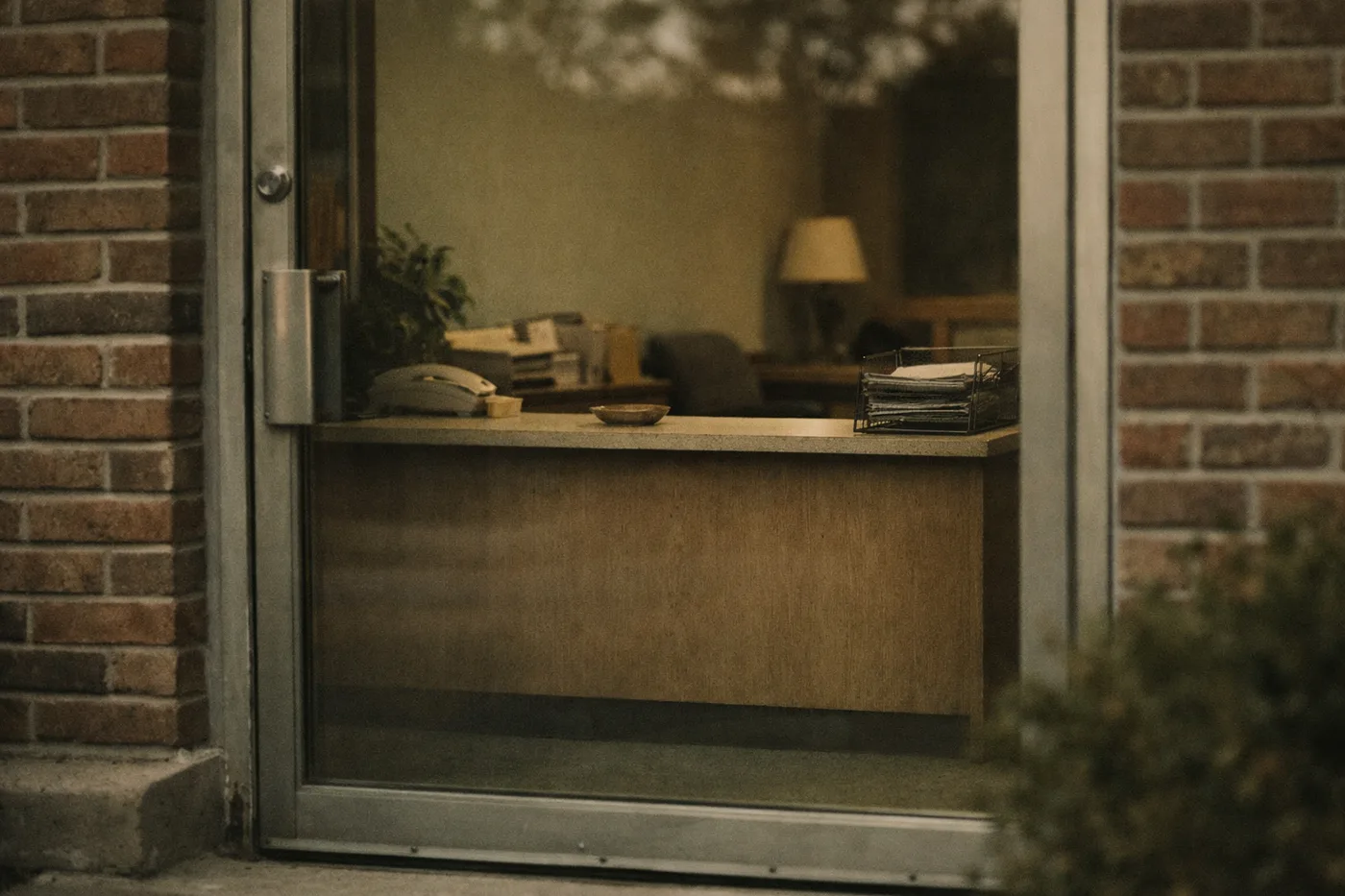
The first ten are the hardest, and they are hard in a specific way: nothing you do produces a result quickly enough to tell you whether it was the right thing.
So people default to what looks like marketing. A website, business cards, a boosted post, a listing on a directory that charges monthly. Those things are not wrong, exactly. They are just slow, and they work best once you already have the thing they amplify.
Here is roughly the order that actually works.
Tell everybody you know, specifically
Not a post saying you have started a business. A specific message to specific people.
The difference matters. "I've started a cleaning business!" asks the reader to do the work of figuring out whether it applies to them. "I've started a commercial cleaning business — do you know who handles the cleaning at your office?" asks a question a person can answer in one line.
That second version reaches the actual decision-maker through somebody who already trusts you, which is the shortest path that exists. A meaningful share of first contracts come from exactly this, and it costs nothing but the discomfort of asking.
Make a list of thirty people. Send thirty messages. This is a two-hour job that people postpone for months because it feels like asking for a favor.
Walk in during business hours
For commercial work this is still the highest-yield hour you can spend, and almost nobody does it because it is uncomfortable.
Small offices, medical practices, dental practices, gyms, churches, daycares, small manufacturers. Not the towers with a facilities department and a procurement process — the fifteen-thousand-square-foot buildings where the person who decides is on site and probably at the front desk.
Ask one question: who handles the cleaning here?
Do not pitch. You are finding out whether the current arrangement is a national contract or the owner's cousin, and when it comes up for renewal. Most will say they are covered. Some will say the current people are not great. Write down what they said and when to come back.
Ten buildings a day, three days a week, is a hundred and twenty conversations a month. That produces contracts. It is unglamorous and it is the fastest route there is.
Follow up, because that is where the work actually is
Here is the thing that separates people who get to ten from people who do not.
Almost nobody who says "we're covered" means "never contact me again." They mean "not today." Contracts turn over. The current cleaner will miss a week in February, and the person who called two months ago and left a card is who gets the phone call.
So keep a list: who you spoke to, what they said, and when to check back. Ninety days is a reasonable default. Six months for a building that just signed.
A prospect nobody chased is not a lost prospect. It is an unfinished one. That distinction is worth more than any script, and it is the reason a list beats a memory. After thirty buildings you will not remember which said what.
Take one job below your target rate, deliberately, and only one
There is a real argument for a first job priced to win: you need somewhere to time yourself, and you need a reference.
Do it once, know that you are doing it, and know why. Time the building properly. Now you have your own production rate rather than an industry average, and every bid after that is built on your work instead of somebody else's table.
The failure mode is doing it eleven times. Cheap work does not lead to normal-priced work with the same client — it establishes what you cost. If you are winning every single bid, you are the cheapest person who answered the phone, and you will be busy and broke by month four.
Ask the first three for a referral, on the day they are happiest
The moment is right after the first month, when the difference between you and the last cleaner is most obvious.
Ask plainly: do you know anybody else who needs this? One question, once. Referred clients close faster, negotiate less, and stay longer, and this is the only free acquisition channel that compounds.
What to do less of at the start
A website. You need one eventually. It converts people who already heard about you; it does not generate the first ten. A single page with what you do, where you work, and a phone number is enough for a year.
Paid ads. Commercial cleaning is a relationship-and-timing sale, not an impulse one. Ads work better once you have reviews and a track record to point at.
Lead-generation subscriptions. The ones that sell you the same lead they sold four competitors. You will pay monthly to compete on price with people who also paid monthly.
Branded everything. Shirts and lettering are worth having. They are not worth having before you have clients.
The thing nobody tells you about the first ten
The bottleneck is almost never demand. Buildings need cleaning constantly and contracts turn over constantly.
The bottleneck is that you stop. You walk in ten places, get ten polite refusals, decide it does not work, and switch to redesigning the logo — which feels like progress and is not.
The people who get to ten are the ones who kept a list, went back in ninety days, and were the name on the desk when something changed. That is the whole method, and it is boring, and it works.
Track it like you would track anything else that matters: who, when, what they said, when to return. If it lives only in your head, you will do this once and conclude it does not work.